



Non-surgical treatment options in DFW
Shockwave and EMTT
Shockwave and EMTT offer two different approaches to supporting recovery from musculoskeletal pain. Explore targeted pressure-wave treatment and magnetic-pulse therapy with Grennan Injury Rehab, and ask which option fits your symptoms, goals, and care plan.
What Is Shockwave Therapy?
Shockwave treatment uses acoustic energy delivered through an applicator on the skin. It is intended to stimulate local tissue responses and support circulation and repair in an area affected by pain or overuse. No incision is needed.
You may hear two related terms. EPAT means Extracorporeal Pulse Activation Technology and uses radial pressure waves. ESWT means Extracorporeal Shockwave Therapy and uses focused shockwaves. Your provider selects the treatment type and settings for the tissue being addressed.
At your visit, describe where pain starts, what makes it worse, and which activities you want to return to. Bring relevant imaging reports and a list of previous treatments. This helps the team discuss treatment options within your broader chiropractic and injury rehabilitation plan.
Patient Benefits of Shockwave and EMTT
For appropriate patients, these in-office treatments offer a non-surgical way to address pain and support recovery. Potential advantages include:
- Non-invasive care: treatment is delivered outside the body, without a surgical incision.
- No anesthesia typically required: you remain awake during the visit.
- No surgical scarring: the treatment does not create a surgical wound.
- No incision-related infection risk: there is no incision to heal; this does not mean every medical risk is eliminated.
- No surgical downtime: activity guidance is tailored to your condition and response.
- Support for healing: the aim is improved comfort and function, with progress varying by patient.
- High reported satisfaction: Curamedix reports more than 80% patient satisfaction for EPAT/ESWT shockwave treatment. This is not a Grennan-specific success rate or an EMTT outcome guarantee.
Read Curamedix’s patient information for the manufacturer’s benefits and satisfaction reporting. Temporary soreness or discomfort can occur, and treatment is not right for everyone.
DUOLITH SD1 Ultra Modular Shockwave Technology
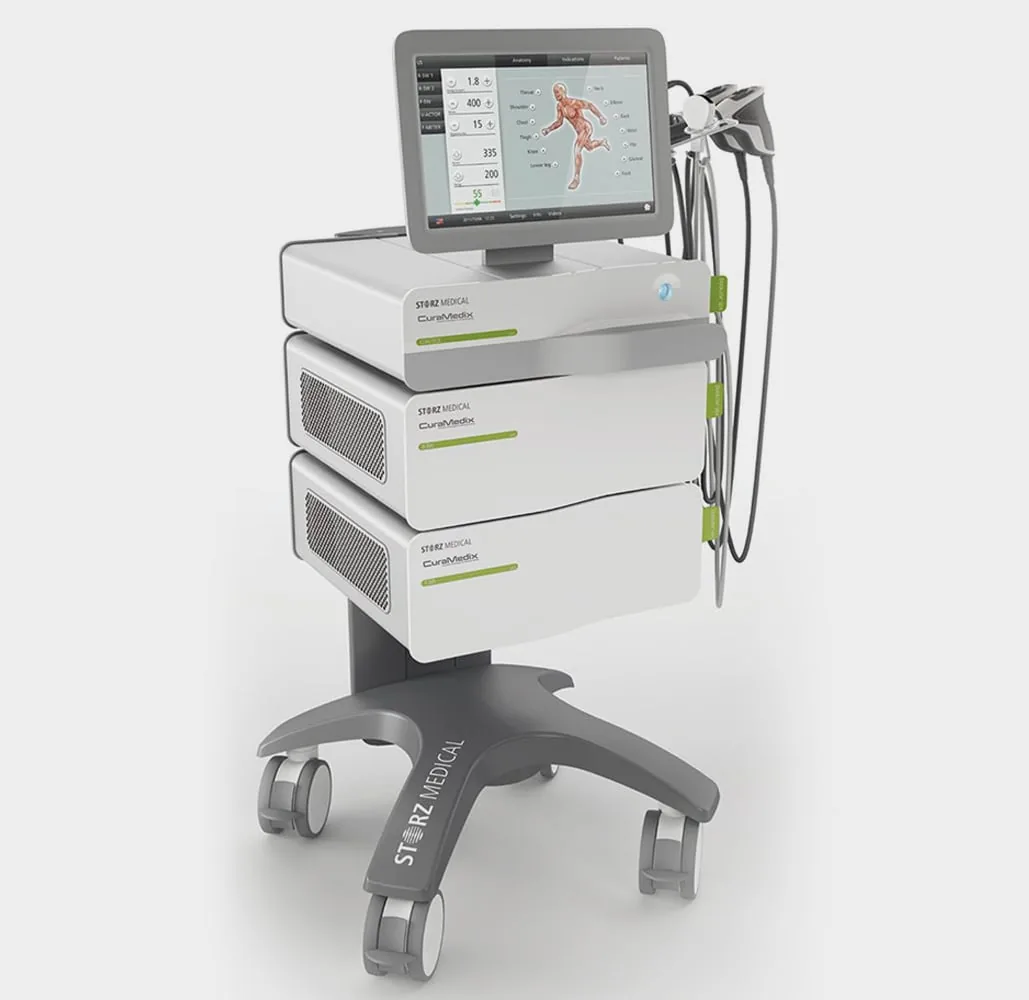
The DUOLITH SD1 Ultra Modular platform from STORZ Medical can combine radial pressure-wave and focused shockwave treatment. These technologies use different energy patterns, allowing a clinician to choose an approach based on the treatment target.
The radial FALCON handpiece and focused SEPIA handpiece are part of the modular system. Adjustable energy and frequency help the provider tailor treatment. A central touchscreen coordinates the platform, and certain configurations can include diagnostic ultrasound or complementary therapies.
Not every configuration includes every accessory. Ask the Grennan team which treatment options and equipment are available for your visit. The DUOLITH shown here is a shockwave system; EMTT uses a separate magnetic-field device.
Learn more in the manufacturer’s DUOLITH overview.
What Is EMTT Therapy?
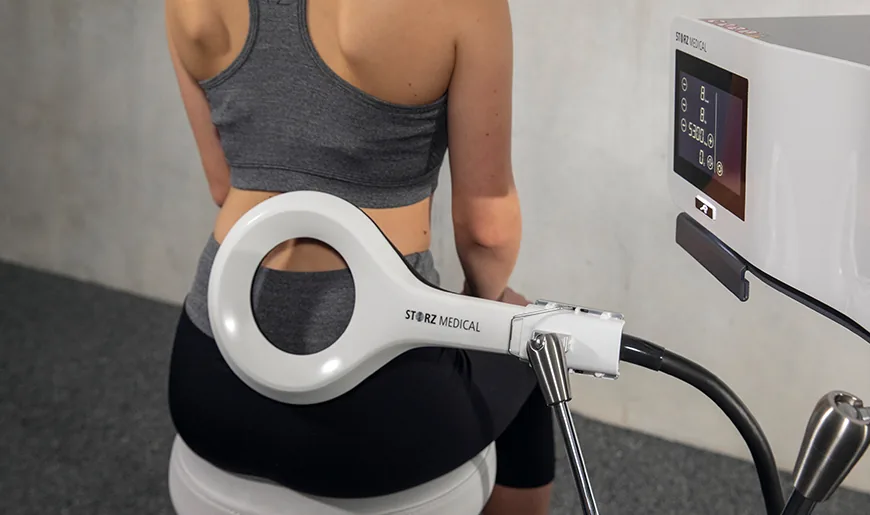
EMTT stands for Extracorporeal Magnetotransduction Therapy. Unlike shockwave, it delivers rapidly changing magnetic pulses to a treatment region rather than applying acoustic energy to a localized target.
The MAGNETOLITH system illustrated here delivers those pulses through an applicator positioned near the treatment area. The electromagnetic field can reach deeper tissue layers and cover a broader region. Treatment is non-invasive and performed in an outpatient setting.
Clinicians may consider EMTT for selected joint, tendon, overuse, or persistent musculoskeletal concerns. It may be discussed on its own or alongside shockwave when the two approaches suit the patient’s needs. They are complementary options, not interchangeable names for the same treatment.
Review Curamedix’s MAGNETOLITH information and ask your provider about suitability, device precautions, and expected goals.
When Might Treatment Be Considered?
Your symptoms and diagnosis matter more than the name of the painful body part. A clinical evaluation helps determine whether Shockwave and EMTT should be considered, whether another treatment is a better fit, or whether a specialist referral is needed.
- Foot and heel pain, including selected plantar fascia concerns
- Achilles and other tendon-related overuse problems
- Elbow, shoulder, hip, or knee musculoskeletal pain
- Persistent back discomfort or muscle trigger-point concerns
- Selected joint wear-and-tear and sports-related problems
Tell the team how symptoms affect walking, work, sleep, exercise, and daily tasks. Your appointment is also a chance to review questions about patient resources, follow-up visits, and the practical details of your care.
Shockwave and EMTT FAQs
Are Shockwave and EMTT the same treatment?
No. Shockwave uses acoustic or pressure-wave energy at a target area. EMTT uses magnetic pulses across a treatment region. Your provider may discuss one or both.
What happens during a shockwave session?
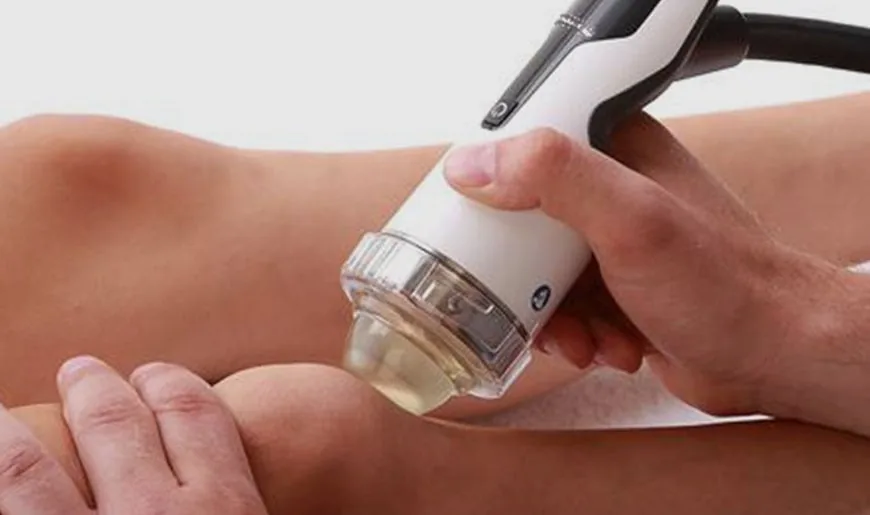
The provider applies coupling gel and moves a handpiece over the selected area. You can describe sensations so treatment can be adjusted for comfort.
How long does shockwave treatment take?
Curamedix describes roughly 5-10 minutes of treatment, often over at least three weekly sessions. Your schedule depends on your diagnosis and response.
Will I feel results immediately?
Some patients notice early relief; others improve gradually over several weeks. A review of pain and movement helps assess progress. Results are not guaranteed.
Does treatment hurt or cause side effects?
Shockwave can cause discomfort during treatment or short-term soreness afterward. Discuss tolerance and any new or worsening symptoms with your provider.
Can I return to normal activities?
There is no surgical recovery period, but work, exercise, and sport recommendations vary. Follow the activity plan supplied for your condition.
What health information should I share?
Provide your medical history before treatment, including cancer, blood clots, medications, pregnancy, and implanted devices. Your provider must check therapy-specific precautions.
How do I request a visit?
Use our appointment request form or call (972) 253-1500. Ask about availability, treatment options, pricing, and coverage before starting care.
Treatment questions adapted from Curamedix’s shockwave FAQs; recommendations are individualized after an evaluation.
Discuss Shockwave and EMTT With Grennan Injury Rehab
Take the next step with a conversation about your symptoms and goals. Choose a convenient DFW location, request an appointment, and ask the team how these options may fit your care.