



Grennan Injury Rehab
Chiropractic Medical Resources
Find clear, patient-focused guidance for chiropractic medical resources when patients want to understand symptoms, exams, rehab, and safe next steps. Grennan Injury Rehab serves patients across the Dallas-Fort Worth metroplex with five convenient locations and more than 20 years of clinical experience.
Chiropractic medical resources should be easy to understand. This page gives patients and families a clear place to start when they need information from Grennan Injury Rehab.
Good patient resources answer practical questions. They explain what to bring, where to go, how to schedule, and what type of care may be available. They also help patients feel more prepared before a visit.
Grennan Injury Rehab serves the Dallas-Fort Worth area through five convenient locations. Whether you need appointment help, patient forms, billing guidance, local office details, or service information, this page can help you choose a useful next step.
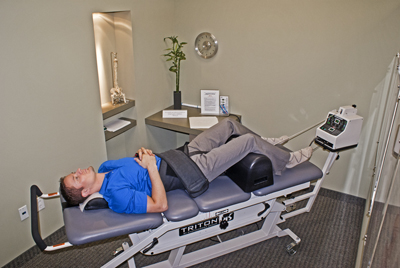
Care That Starts With Clear Answers
Patients should understand what is happening and why a care plan is recommended. These are the basics that guide Grennan Injury Rehab visits.

Focused Exam
Movement, posture, tenderness, and symptom patterns help guide the plan.

Injury Rehab
Care may include adjustments, soft tissue work, rehab exercises, and home guidance.

Five Locations
Choose Irving, Mesquite, South Dallas, Grand Prairie, or Irving on North Story Road.

Call Today
Call (972) 253-1500 when pain or injury symptoms affect your day.
How This Chiropractic Medical Resources Page Helps
Patients should not have to dig through confusing pages to find basic information. This page brings together practical details in one place so you can understand your options and decide what to do next.
You may be looking for forms, payment information, medical resources, professional listings, directions, or appointment help. Each of those needs is different, but they all benefit from clear guidance.
Grennan Injury Rehab uses patient resource pages to support better communication before, during, and after visits.
What to Do Before You Call
Start by writing down your main question. Then gather any details that may matter, such as your preferred location, appointment timing, insurance or payment questions, and the reason you are contacting the office.
If your question relates to pain or an injury, write a short timeline. Note when symptoms started, what changed, and which activities now feel harder. This helps the team understand what kind of appointment may be appropriate.
If your question is administrative, bring any forms, account details, or documents you want to discuss. Clear information helps the team help you faster.
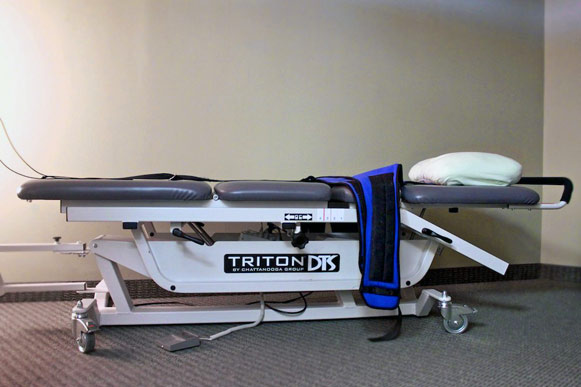
How the Five Locations Support Patients
Grennan Injury Rehab serves patients through five DFW locations. Patients can choose Irving on MacArthur Boulevard, Mesquite, South Dallas, Grand Prairie, or Irving on North Story Road.
This location choice helps patients fit care into work, school, and family schedules. It also helps patients choose the office that makes follow-up easier when ongoing care is recommended.
The locations page lists each address and phone number. Use that page when you need directions or want to compare offices.
How Patient Resources Fit With Care
Patient resources do not replace a visit, but they make visits easier. They can help you understand what to bring, where to go, how to schedule, and which questions to ask.
Clear resources also reduce stress. Patients can review information before they arrive and feel more prepared for the conversation.
Grennan Injury Rehab wants patients to feel informed, not rushed. These pages support that goal.
Helpful Topics Across the Site
The site includes information about auto accident care, whiplash, back pain, neck pain, herniated disc pain, sciatica, sports injuries, slip and fall injuries, work injuries, and injury rehabilitation.
It also includes resources for new patients, payment options, locations, frequently asked questions, professional listings, medical resources, and careers.
Use internal links to move between topics. That helps you find the page that matches your question without starting over.
- Tell the team when your chiropractic medical resources symptoms started.
- Share what movements feel harder now.
- Bring imaging or accident details if you have them.
- Ask what home steps are safe between visits.
- Choose the Grennan Injury Rehab location that fits your schedule.
When to Schedule Instead of Searching
Online information is helpful, but some questions need a real visit. If pain is spreading, worsening, returning, or limiting normal activity, an evaluation may be more useful than more searching.
If symptoms are severe or include emergency warning signs, seek urgent medical care first. If the issue is not an emergency but still affects your day, contact Grennan Injury Rehab for guidance.
The team can help you choose the right location and explain practical next steps.
Keeping the Next Step Simple
Good patient information should lead somewhere useful. That may mean calling the office, booking online, reviewing a service page, choosing a location, or preparing for a first visit.
Grennan Injury Rehab keeps those next steps visible across the site. You can use the appointment page, locations page, patient portal, or FAQ hub depending on what you need.
If you are unsure, call the office. A short conversation can often clear up the next step faster than another search.
Inside Grennan Injury Rehab
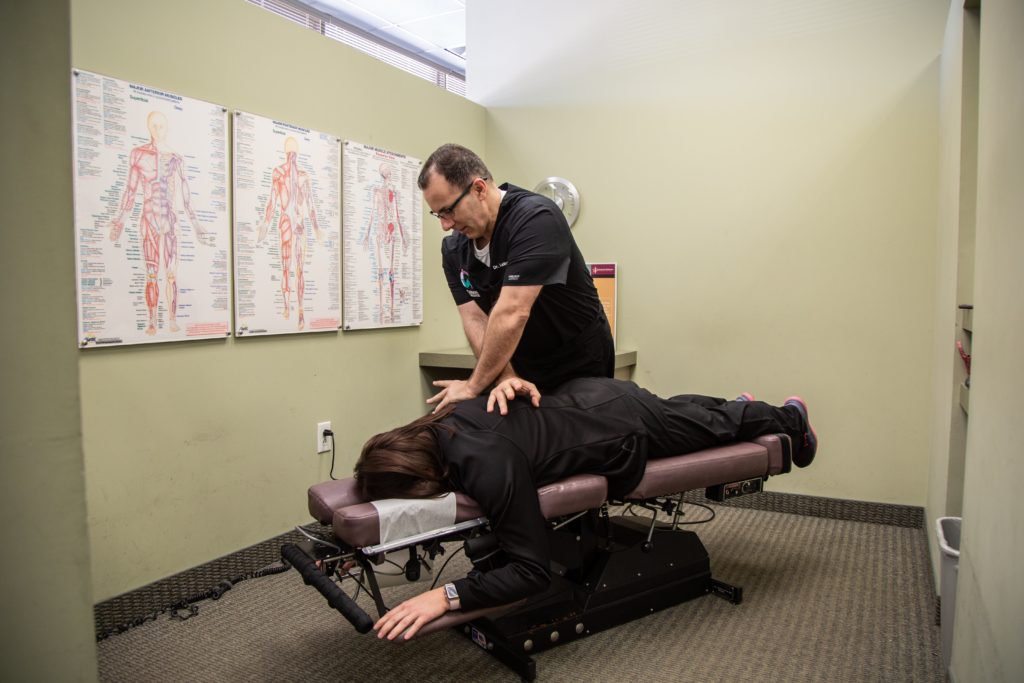
Real clinic photos help patients know what to expect before they visit. Grennan Injury Rehab uses practical treatment spaces, patient-focused rehab tools, and a local team that supports care across the DFW area.

Five Grennan Injury Rehab Locations
Grennan Injury Rehab serves the Dallas-Fort Worth metroplex through five convenient locations. Choose the office that works best for your schedule, care plan, and daily routine.
Grand Prairie, Texas
1835 S. Carrier Pkwy.
Grand Prairie, TX 75051
Phone: 972-253-1500
Fax: 972-253-1505
Irving, Texas
7447 N. MacArthur Blvd.
Suite 180
Irving, TX 75063
Phone: 972-253-1500
Fax: 972-253-1505
Irving, Texas
1503 North Story Rd
Suite 125
Irving, TX 75061
Phone: 972-253-1500
Fax: 972-253-1505
Mesquite, Texas
1220 N. Town East Blvd.
Suite 250
Mesquite, TX 75150
Phone: 972-279-5300
Fax: 972-279-5303
South Dallas, Texas
3215 E Kirnwood Dr.
Suite 113
Dallas, TX 75237
Phone: 972-253-1500
Fax: 972-253-1505
Related Conditions and Services
Patients often need more than one type of support. These related pages can help you learn about accident care, pain relief options, rehab, and chiropractic services.
FAQs About Chiropractic Medical Resources
What is this chiropractic medical resources page for?
This page helps patients find clear Grennan Injury Rehab information, choose the right next step, and understand related services or resources.
Where can I find Grennan Injury Rehab locations?
Use the Locations page to view all five DFW offices, including Irving, Mesquite, South Dallas, Grand Prairie, and Irving on North Story Road.
Can I book an appointment online?
Yes. Use the Schedule an Appointment page or call the office for scheduling help.
Does Grennan Injury Rehab have bilingual support?
Yes. Se habla Espanol. Dedicated bilingual staff can assist Spanish-speaking patients and families.
What should I do if I have pain after an accident?
If symptoms are severe, seek urgent medical care. For non-emergency pain, stiffness, headaches, or movement limits, contact Grennan Injury Rehab for guidance.
Where can I read more FAQs?
Use the FAQs page to browse blog-style FAQ articles about chiropractic care, injury rehab, pain, and locations.
Can this page replace medical advice?
No. Online information is helpful, but it does not replace an exam or professional medical guidance for your specific situation.
How do I contact Grennan Injury Rehab?
Call (972) 253-1500, use the appointment page, or choose a location from the Locations page.
More Guidance for Chiropractic Medical Resources
Good care should feel understandable. If you are comparing options for chiropractic medical resources, start with the basics. Notice where pain is located. Notice when it changes. Notice which movements now feel harder. Then bring those details to your visit.
This simple preparation helps the care team move faster from symptoms to a practical plan. It also helps you ask better questions. As a result, the appointment can focus on what matters most: your pain, your movement, and the next step that fits your situation.
Grennan Injury Rehab keeps that process straightforward. The team listens first, evaluates carefully, explains findings, and recommends care only after the exam supports it. That patient-focused approach helps people across the Dallas-Fort Worth area feel more confident about chiropractic and injury rehab care.
Patients also benefit from choosing a practice that understands local needs. The Dallas-Fort Worth area includes busy commutes, active families, physical jobs, school sports, and a wide range of daily routines. Pain can interrupt all of those things. Therefore, practical care should connect the exam to the life the patient is trying to return to.
When you read this page, use it as a guide for better questions. Ask what the exam may include. Ask how your symptoms will be tracked. Ask which activities should be modified for now. Ask when a referral may be recommended. Clear questions make the visit more useful and help you feel involved in the plan.
Grennan Injury Rehab also keeps convenience in mind. With five locations, patients can choose an office that fits work, school, family schedules, and follow-up needs. That makes it easier to stay consistent when ongoing care is recommended.
Questions to Ask About Chiropractic Medical Resources
Before your visit, think about what you want to understand. You may want to know why pain changes through the day, whether symptoms are connected to posture or an injury, and what you can do safely at home. You may also want to know how long it may take to notice progress and what signs should prompt a different type of care.
Good answers should be specific to you. They should reflect your history, your exam, and your goals. That is why Grennan Injury Rehab starts with evaluation and conversation. The team can explain what they see, what they recommend, and how the plan may change as your body responds.
This approach also supports stronger communication with other professionals when needed. If your situation involves an accident claim, a work injury, imaging, or medical referrals, clear notes and a clear timeline can make the process easier to follow.
Most patients simply want to feel heard and know what to do next. That is the center of the visit. The right next step may be chiropractic care, rehab guidance, home recommendations, or a referral. The goal is to choose the option that best fits the findings.
Helpful Next Steps From Here
Use this page as a starting point, then follow the link that matches your need. Some visitors need to schedule care. Some need location details. Others need patient forms, payment information, professional listings, or answers to common questions. A clear site should make each of those paths easy to find.
If you are helping a family member, save the phone number and the location page. If you are preparing for your own visit, write down your main questions and bring any records that may be useful. If you are comparing services, review the related condition pages so you understand how Grennan Injury Rehab describes accident care, pain care, and injury rehab.
The practice serves a wide part of the Dallas-Fort Worth metroplex, so local context matters. Patients may choose a location based on work, school, transportation, family schedules, or follow-up convenience. That choice can make care easier to keep up with when more than one visit is recommended.
The best next step is the one that reduces confusion. Call the office, book online, read the FAQ hub, or choose a location. Grennan Injury Rehab keeps these options visible so visitors can move from research to action without feeling lost.
How to Use This Information With Confidence
The most useful patient information is specific enough to guide you, but honest enough to remind you that every situation is different. A page can explain common steps, questions, and services. It cannot replace a conversation with the care team or an exam when symptoms need attention.
As you review the site, look for the page that matches your question most closely. If you need a location, start with Locations. If you need scheduling, use Schedule an Appointment. If you need a condition page, choose the service that fits your concern. If you need general answers, the FAQs page is the best hub.
This structure helps patients avoid duplicate searching. It also helps search engines understand how the site is organized: services, locations, patient resources, professional listings, and FAQs all support one clear care path.
When in doubt, call Grennan Injury Rehab. A short call can help you choose the right office, understand what to bring, and decide whether an appointment is the best next step.
Ready to Feel Better and Move Easier?
Call Grennan Injury Rehab or book an appointment online for chiropractic medical resources, accident injury care, back pain, neck pain, and injury rehabilitation across DFW.